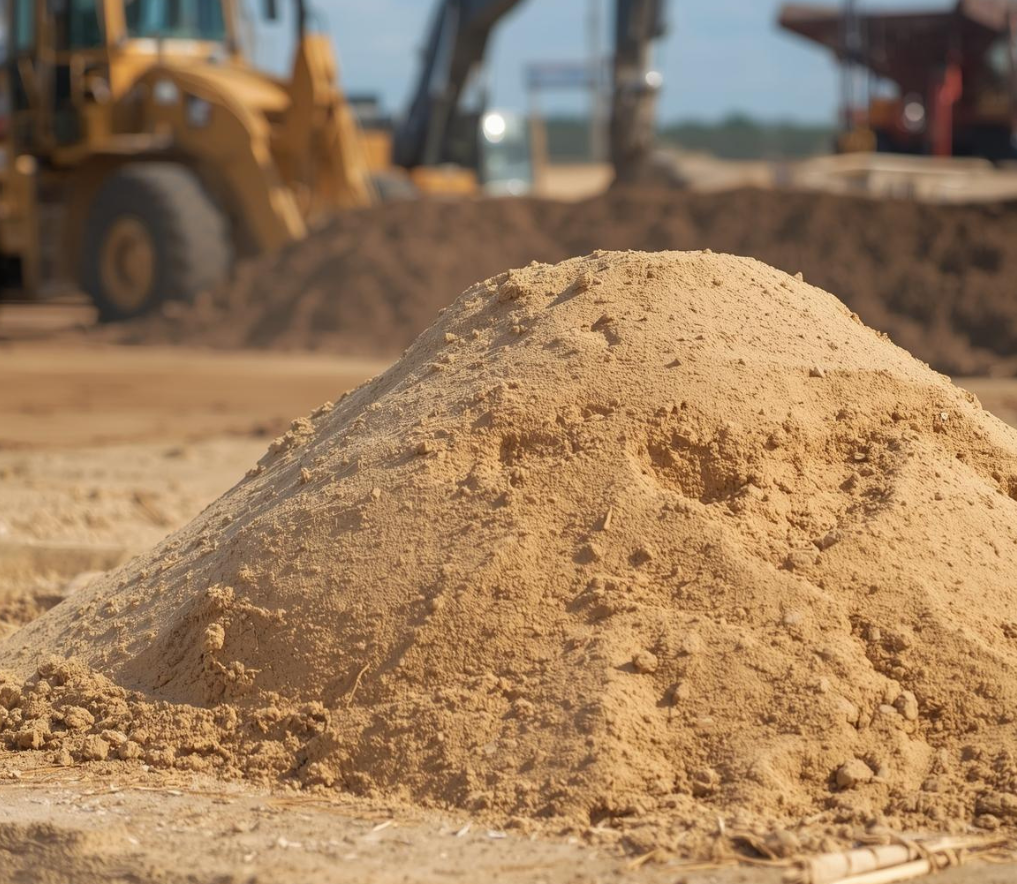
Sand
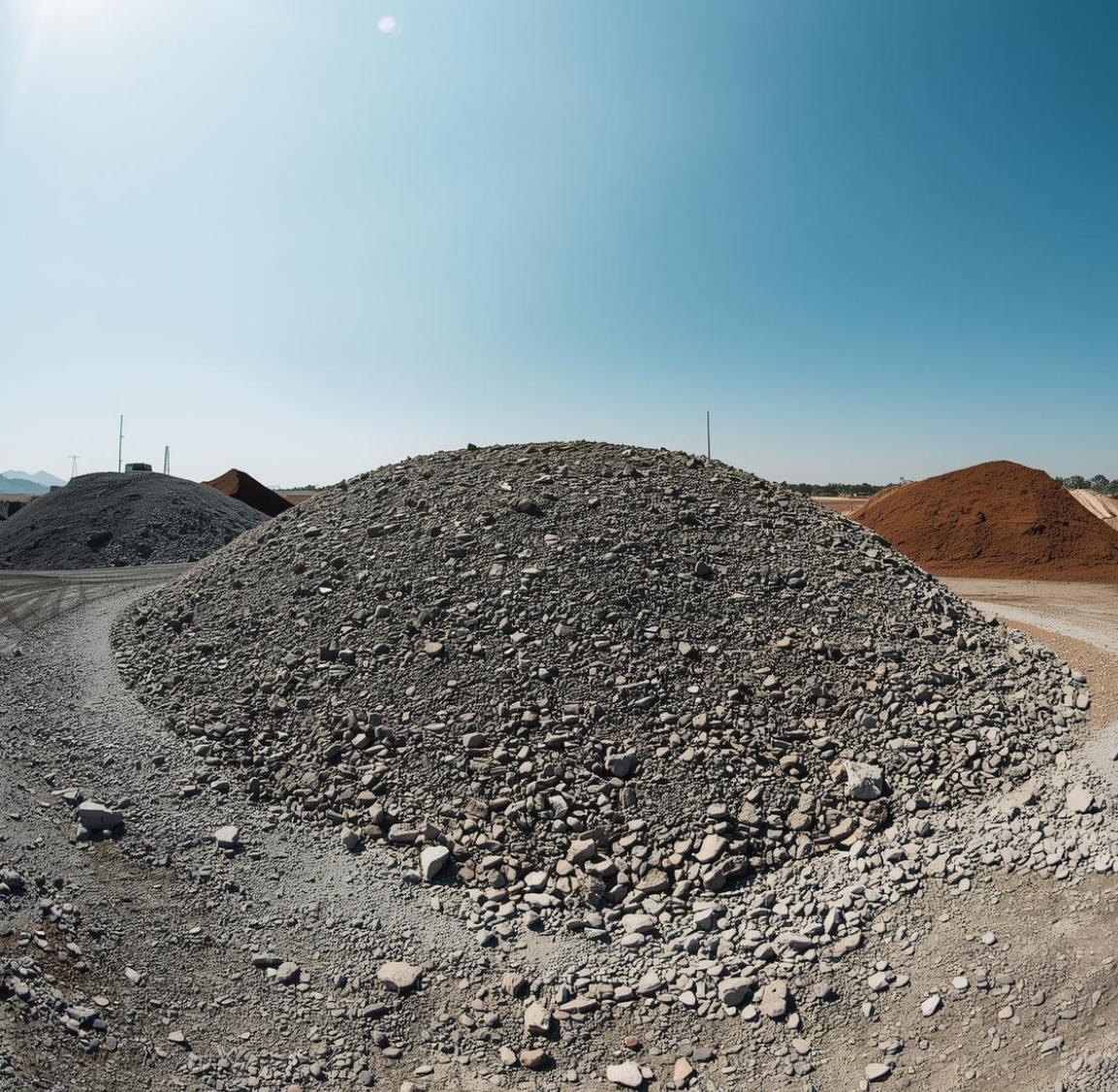
Gravel
CEMENT MANUFACTURING PROCESS
Obtaining and Preparing Raw Materials
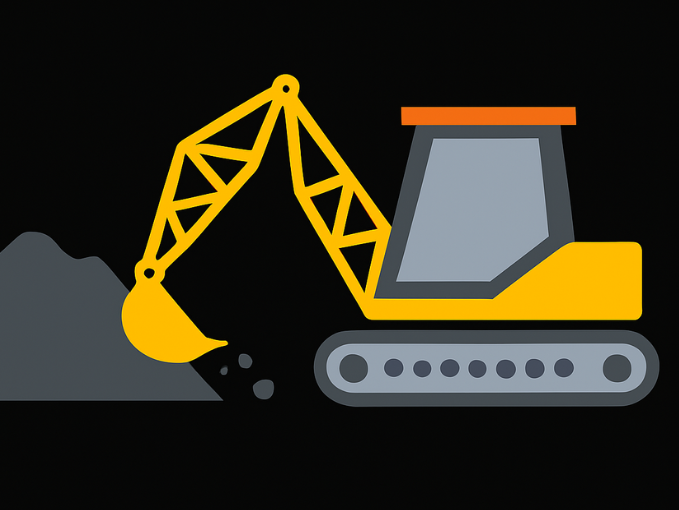
The quarries are exploited by controlled blasting, in the case of hard materials such as limestone and slate, while in the case of soft materials (clay and marl) excavators are used for their extraction.
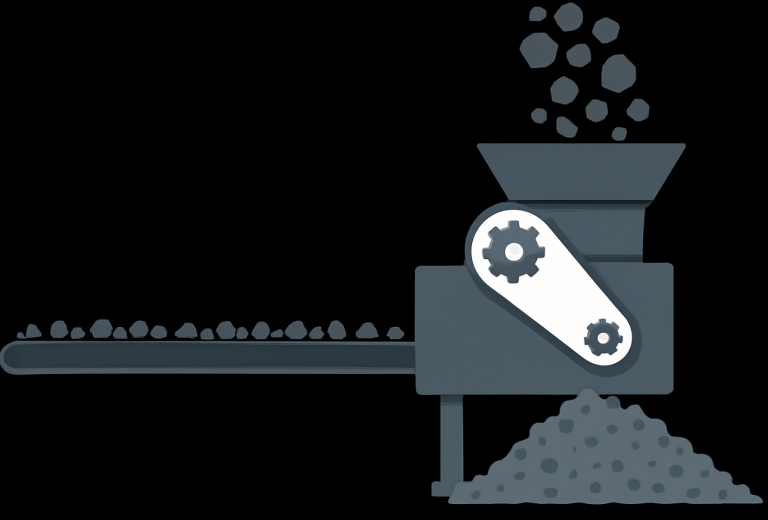
Crushing
Once the material has been extracted and classified, it is crushed to obtain a granulometry suitable for the grinding product and transferred to the factory by means of conveyor belts or trucks for storage in the pre-homogenization park.
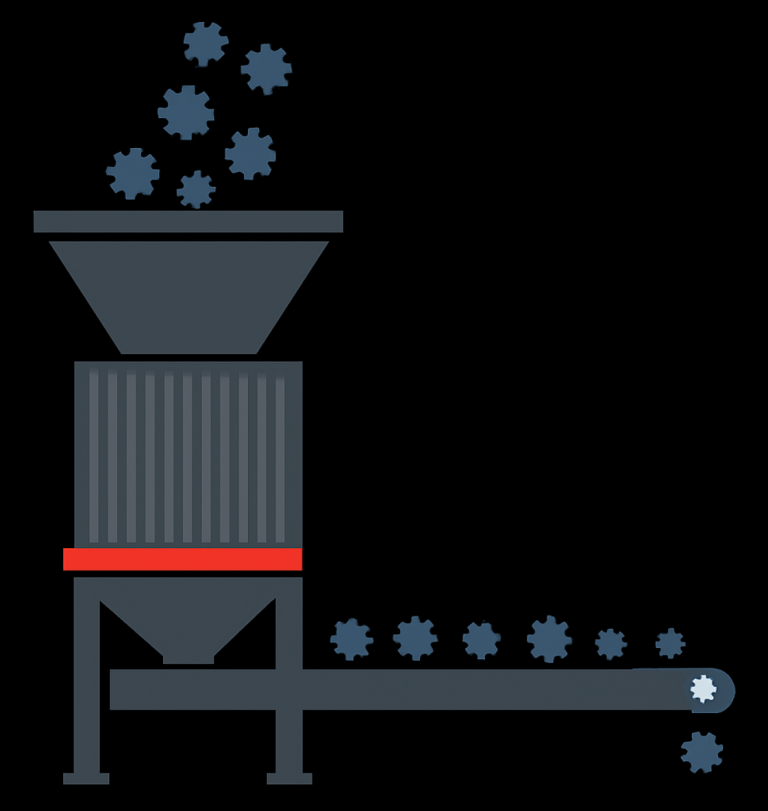
Pre-Homogenization
The crushed material is stored in uniform layers to be subsequently selected in a controlled manner. The pre-homogenization allows to prepare the adequate dosage of the different components, reducing their variability.
CEMENT MANUFACTURING PROCESS
Grinding
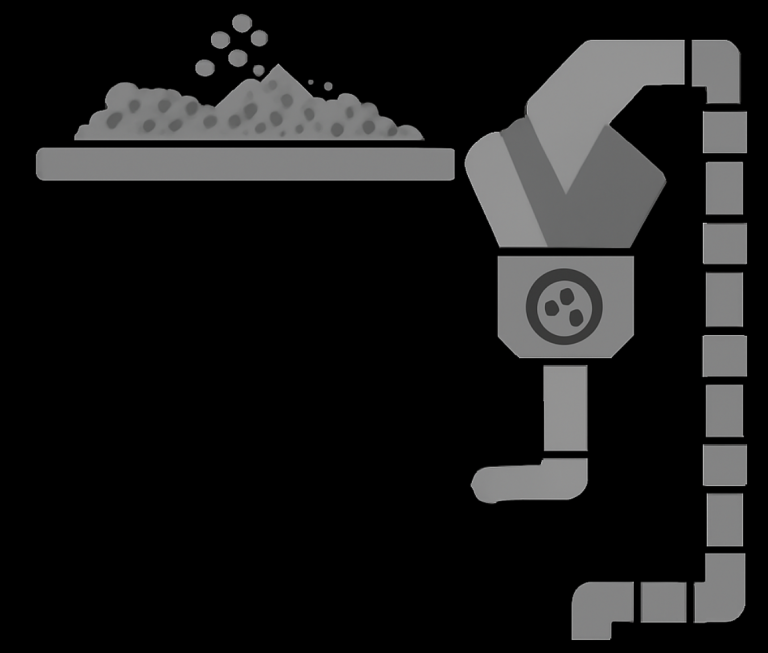
These materials are milled to reduce their size and thus favor their process in the oven. In the vertical mill the material is crushed by the pressure performed by its rollers on a rotating table. From there, the raw material is stored in a silo to increase the uniformity of the mixture.
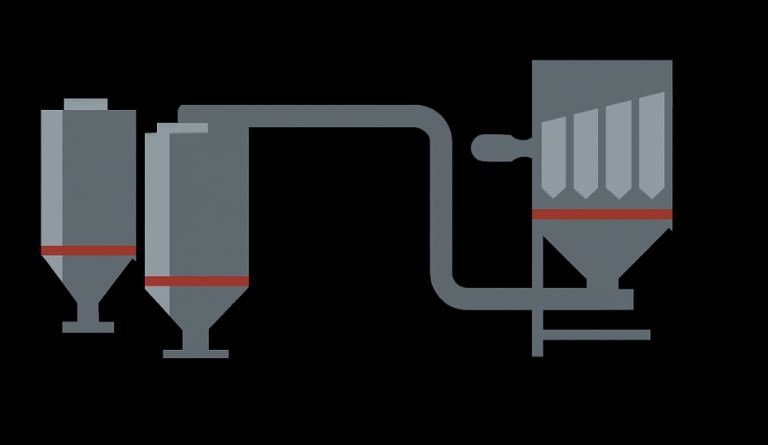
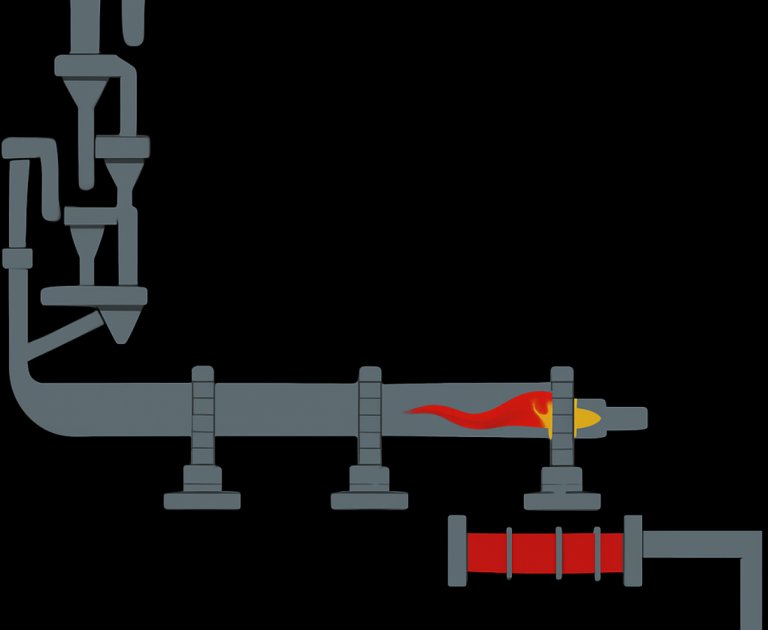
Cyclone Preheater
The kiln is fed through the cyclone preheater, which heats the raw material. The raw material is introduced through the upper part of the tower and descends through it. Meanwhile, the gases coming from the kiln rise upstream, thus preheating the material, which reaches 1,000ºC before entering the kiln.
CEMENT MANUFACTURING PROCESS
Clinker Process: Kiln
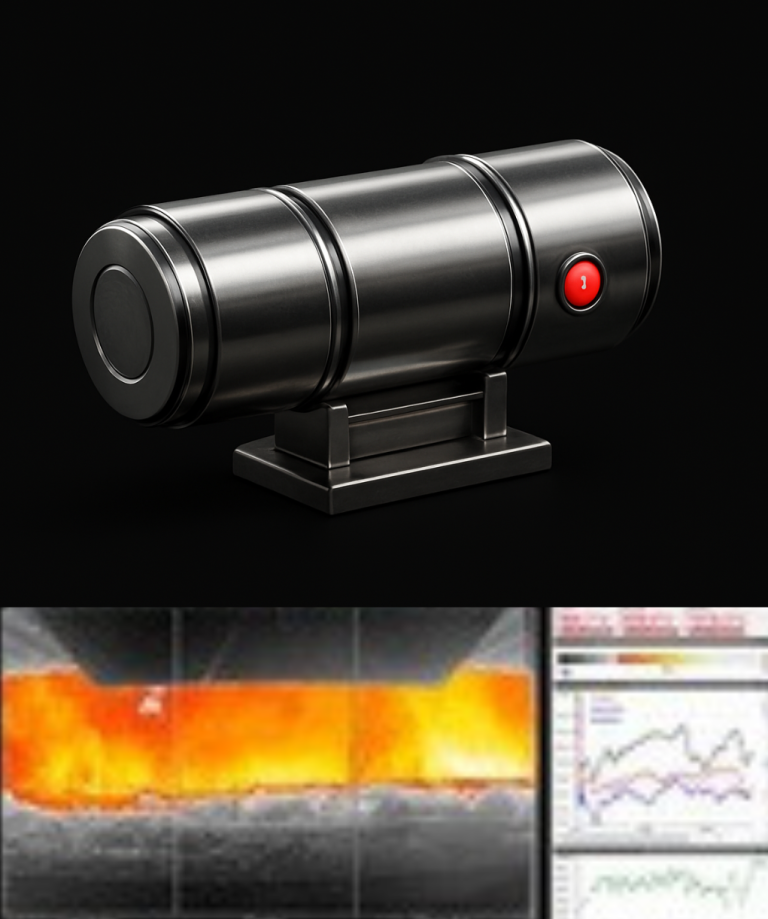
Infrared thermal imaging system
for continuous temperature monitoring
Monitoring the temperatures within the burning
zone is important for quality and efficiency. Our
ProTIR system will provide accurate temperature
monitoring at the burning zone to driving off
unwanted elements as gases and creating clinker
of the required composition.
RKS300:
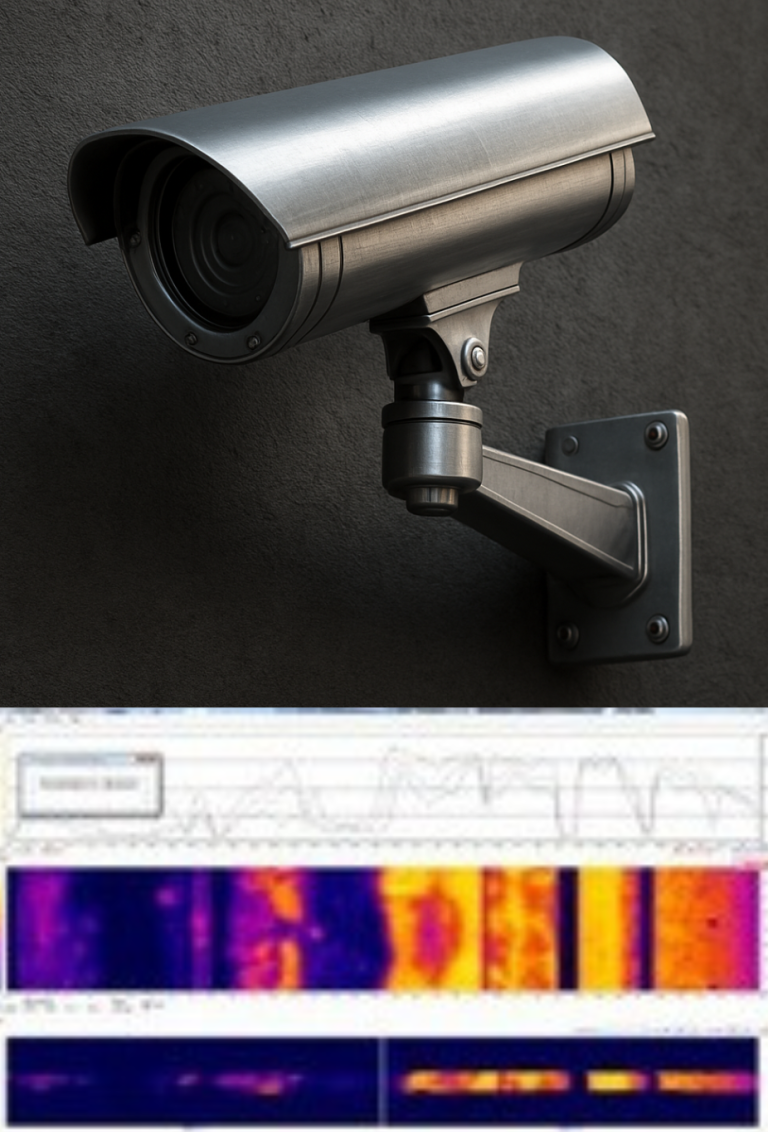
Kiln Shell
Rotary Kiln Monitoring System
Continuous monitoring along the entire rotary kiln length is important to ensure proper kiln-hell safety and
durability and optimize kiln efficiency. RKS300 System will provide real-time inspection of the entire kiln
length, allowing the detection and measurement of all hotspots on the kiln shell, even at an early stage.
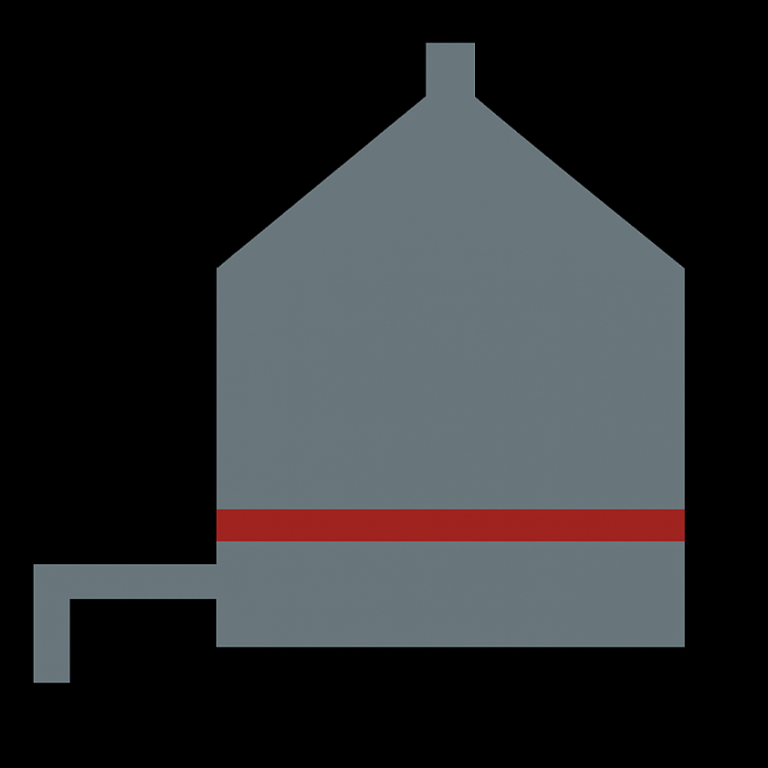
Clinker Process: Cooler
At the exit of the kiln, the clinker is introduced into the cooler, which injects cold air from the outside to reduce its temperature from 1,400ºC to 100ºC. The hot air generated in this device is reintroduced into the furnace to promote combustion, thus improving the energy efficiency of the process.
CEMENT MANUFACTURING PROCESS
ProTIR: Clinker Cooler
Infrared Thermal Imaging System for Continuous Temperature Monitoring
It is essential to monitor and measure temperature inside coolers to improve operational efficiency and
combustion control. ProTIR System will detect snowmen, redrivers and other anomalies that take place in
coolers. Also, our system will help you to make routine plant maintenance and shutdowns more
predictable and less disruptive to the process.
Clinker Grinding and Cement Manufacturing
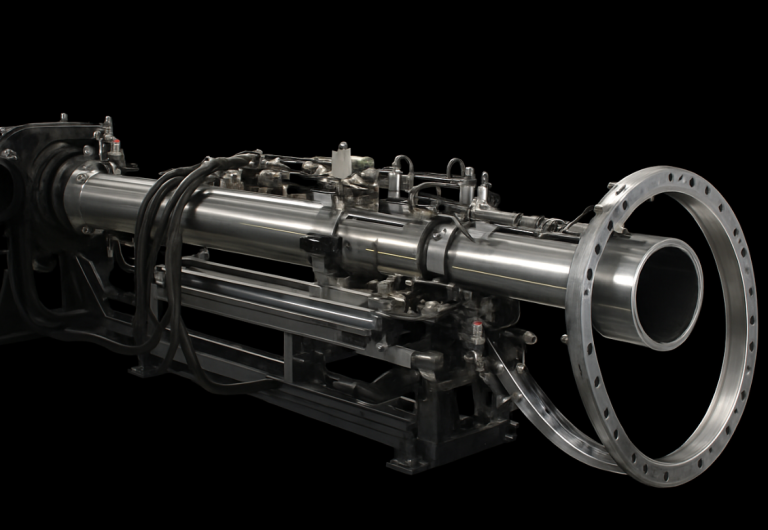
The clinker is mixed with gypsum and other additions within a cement mill.
The mills can be made of rollers and balls. The latter consists of a large tube that rotates on itself and that contains steel balls inside. Thanks to the rotation of the mill, the balls collide with each other, crushing the clinker and the additions until a fine and homogeneous powder is obtained: the cement.
Cement Storage
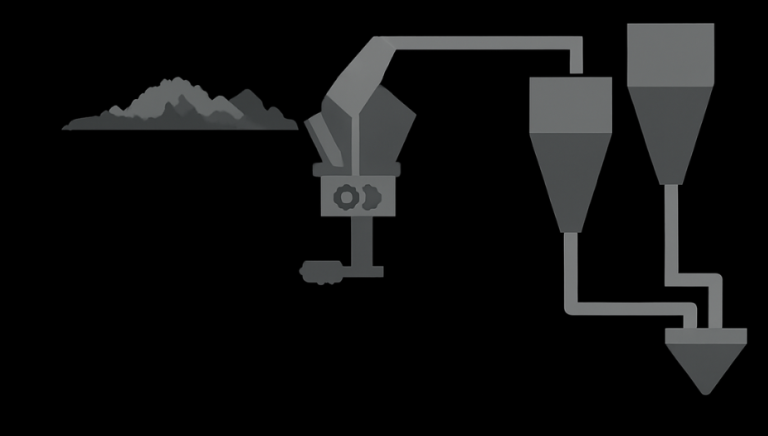
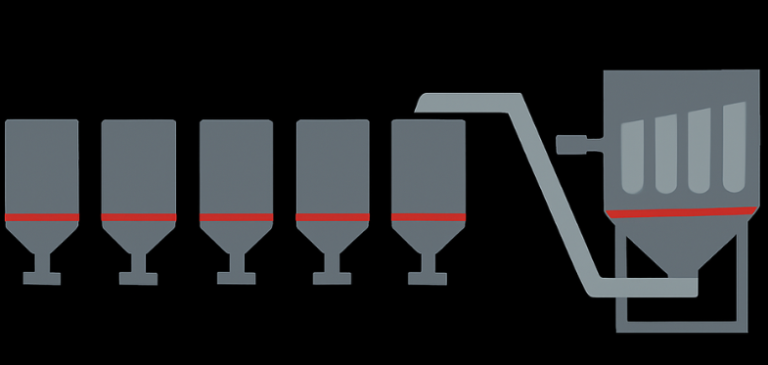
The cement is stored in silos, separated according to its classes.
CEMENT MANUFACTURING PROCESS
FireTIR: Cement Storage
Thermography System for Early Fire Detection
In the silos where the cement is stored, the FireTIR system is a flexible solution based on radiometric infrared cameras that allow the early detection of fire and hot spots, before a deflagration occurs.
Packaging
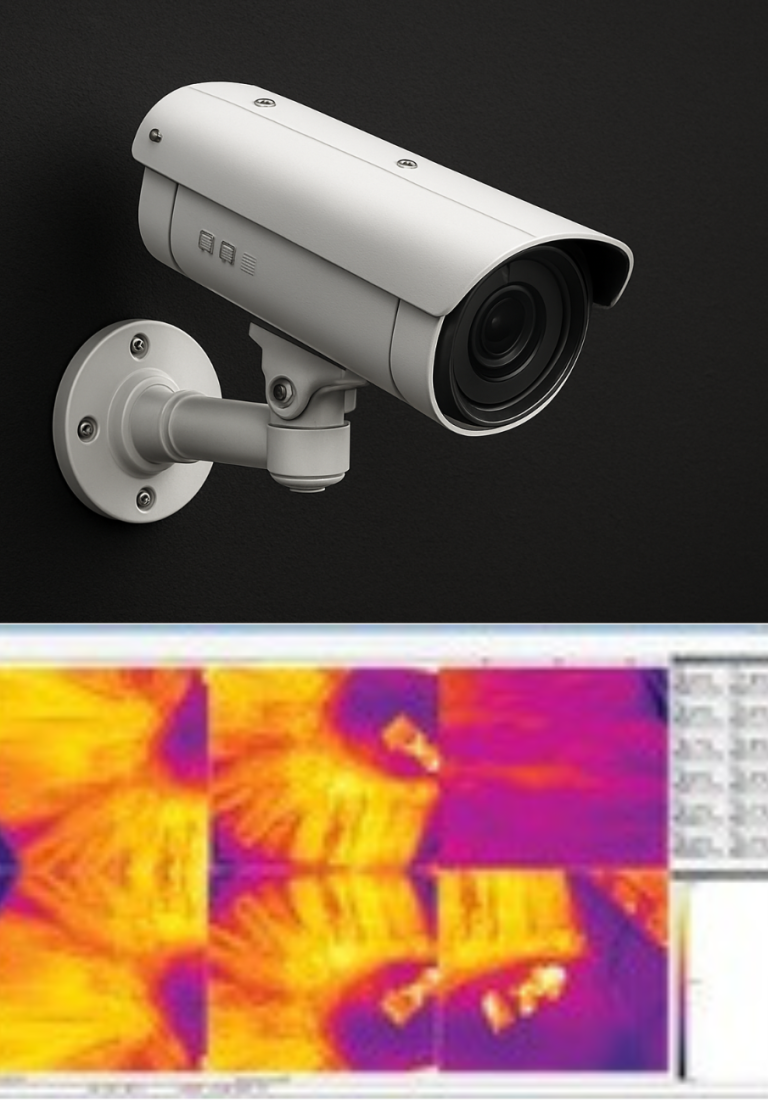
and
Bulk Shipment
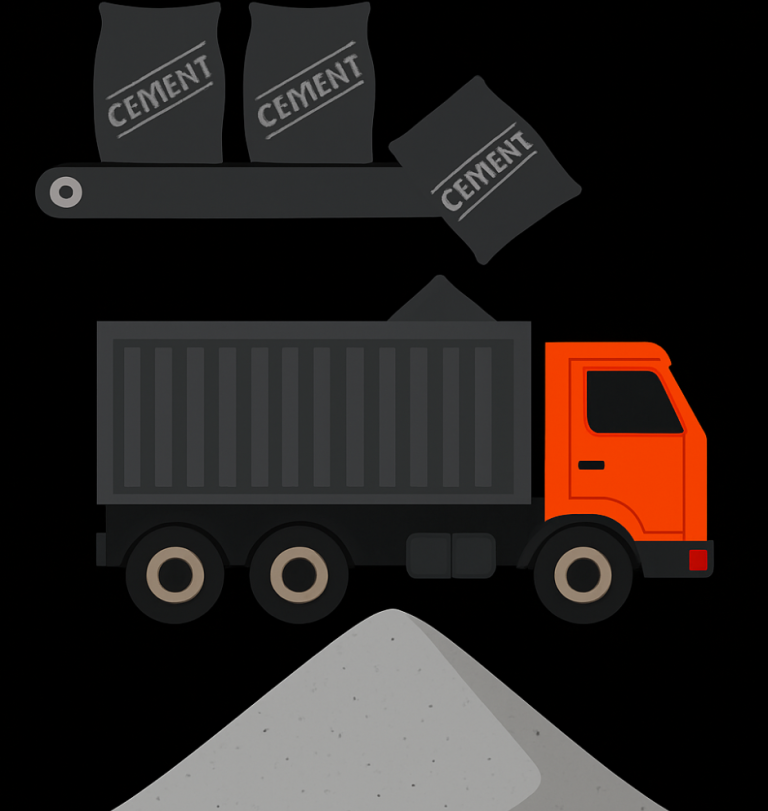
The cement is bagged or unloaded in a tanker truck for transport by road or rail.
Quality Control
All production goes through a rigorous quality control.
To meet the highest quality expectations, we apply a three‑level quality control system across every stage of production.
Our laboratory constantly monitors raw materials, processes and finished products, ensuring they meet the strictest standards.
Certifications such as INDOCAL, ASTM and MOPS R027 attest to our commitment to safety and quality.